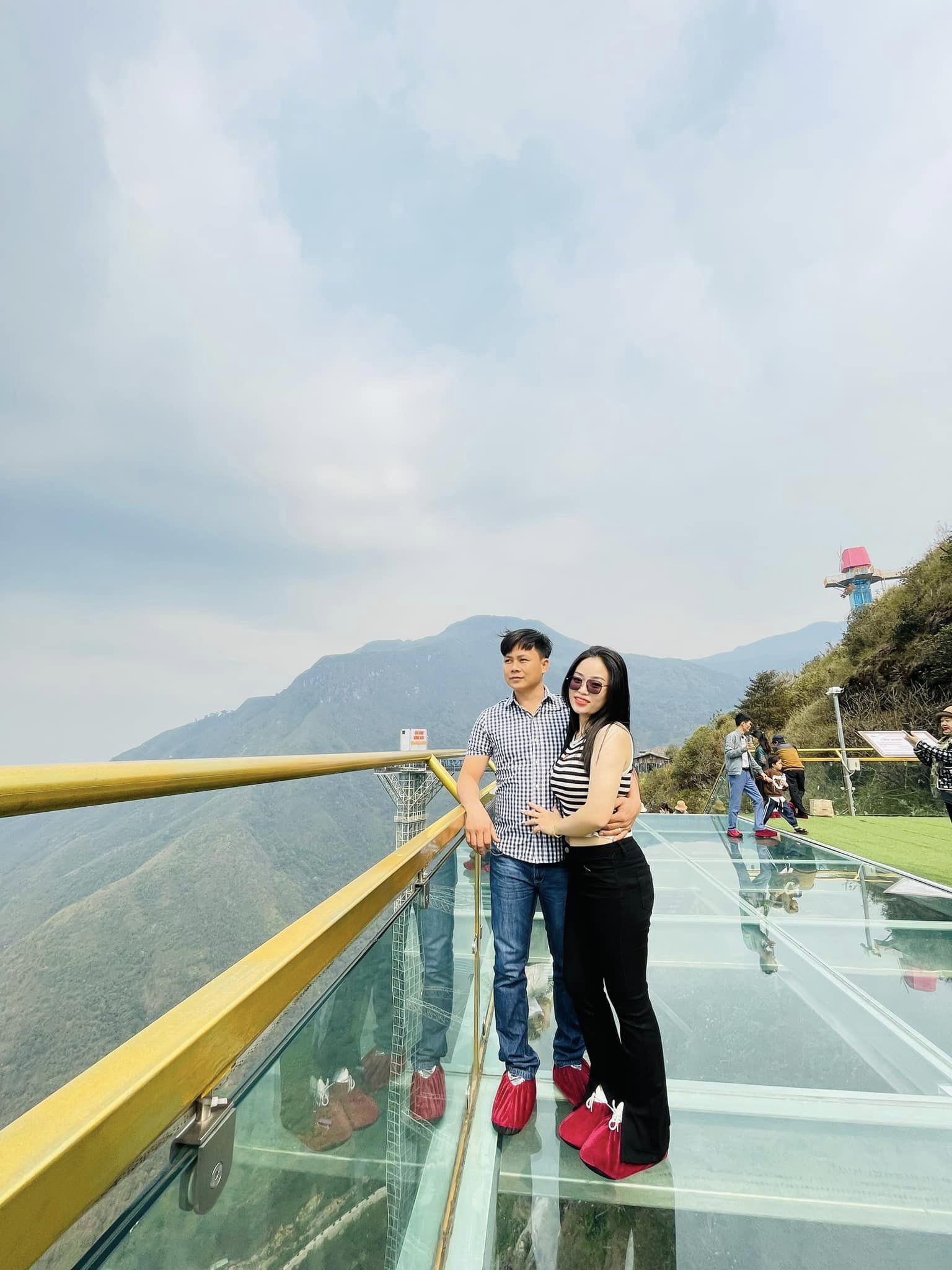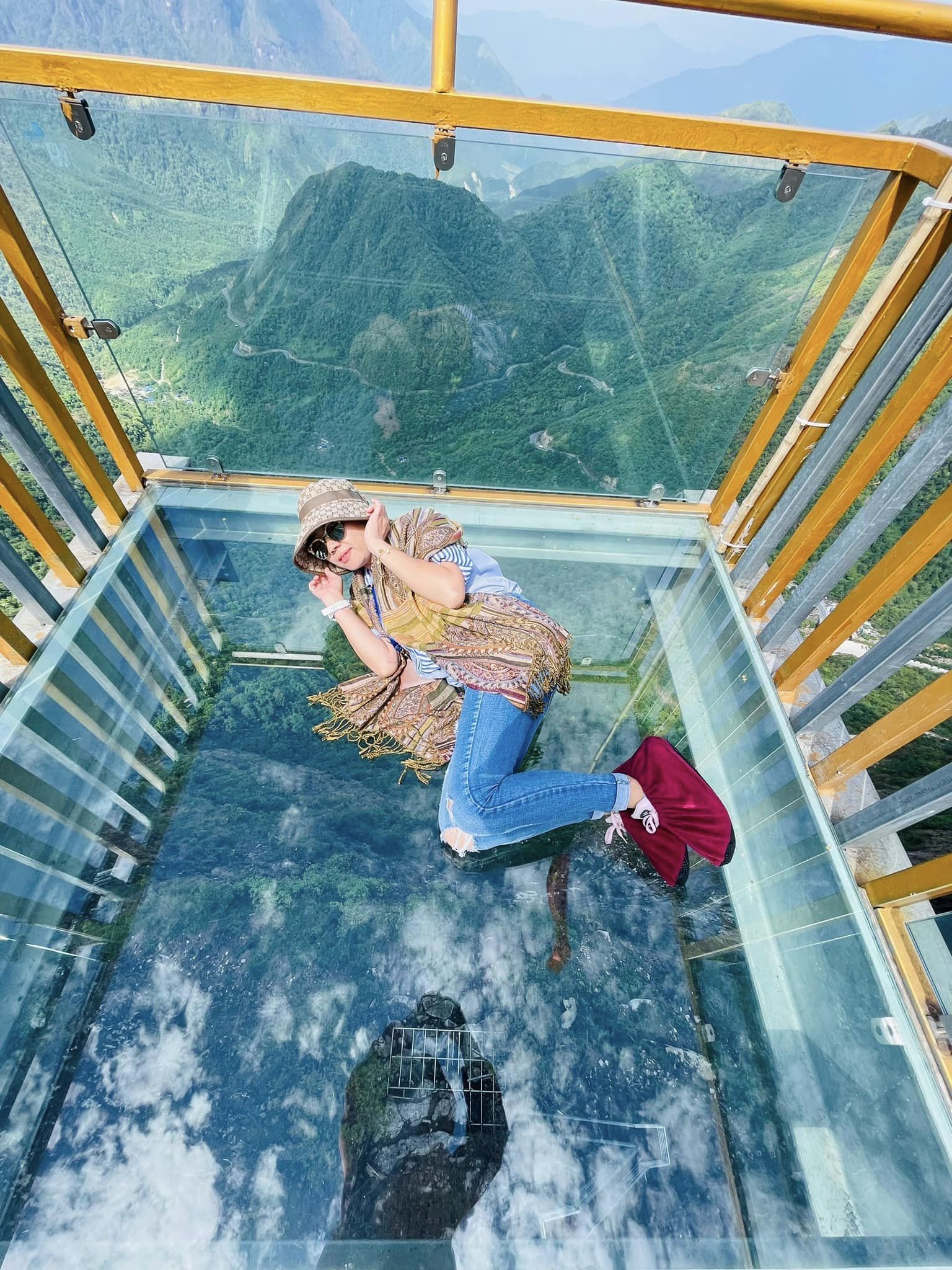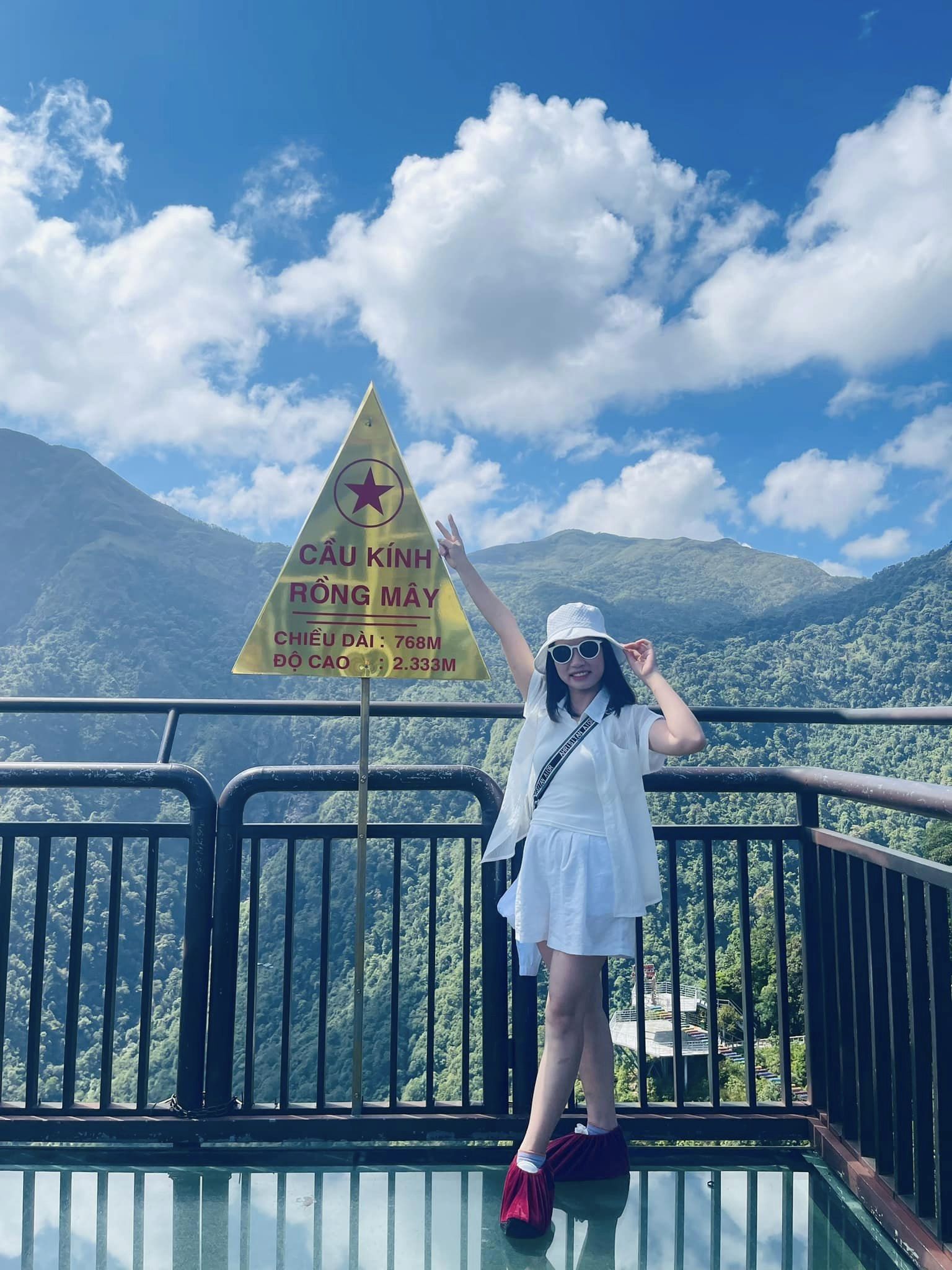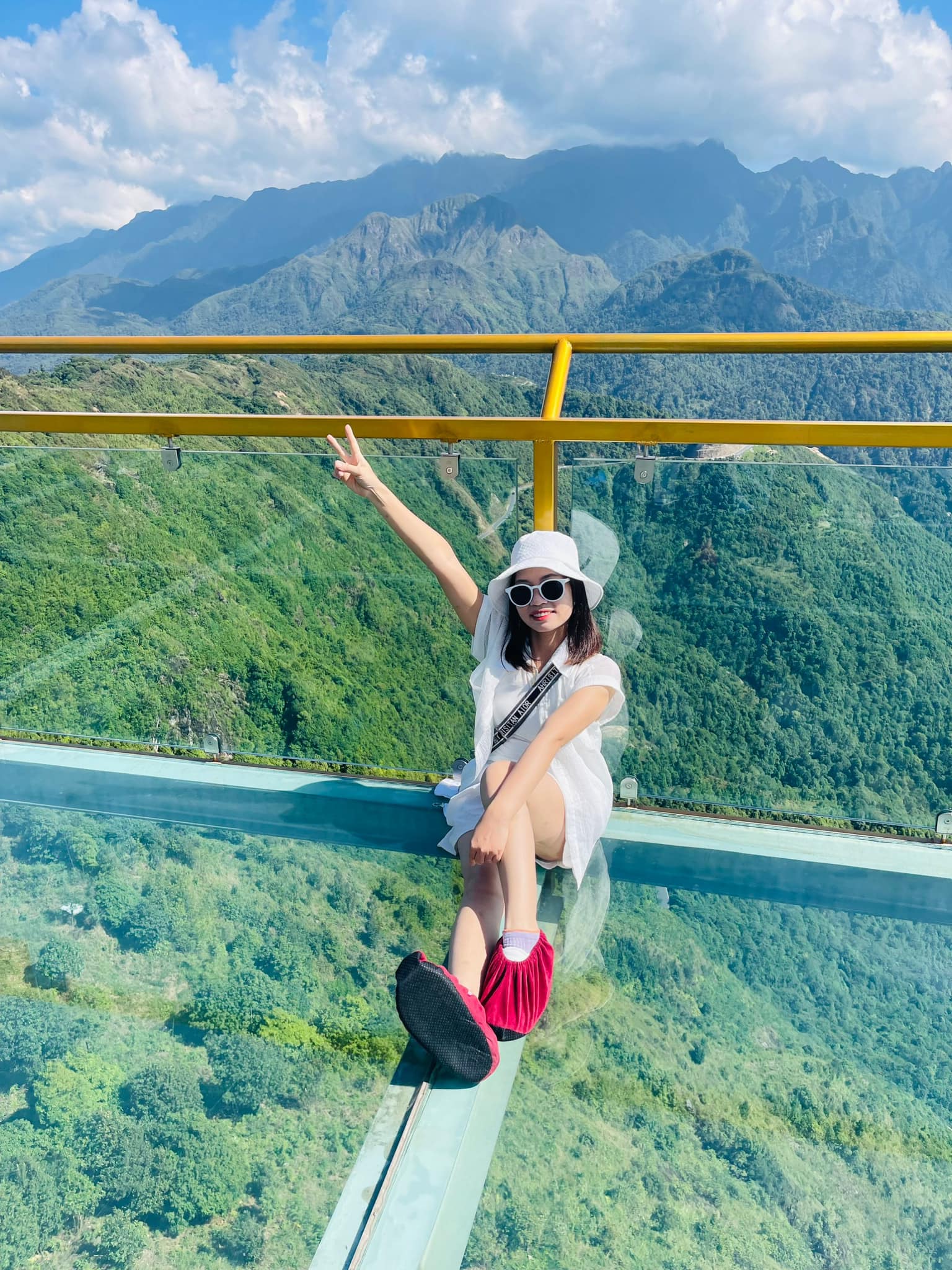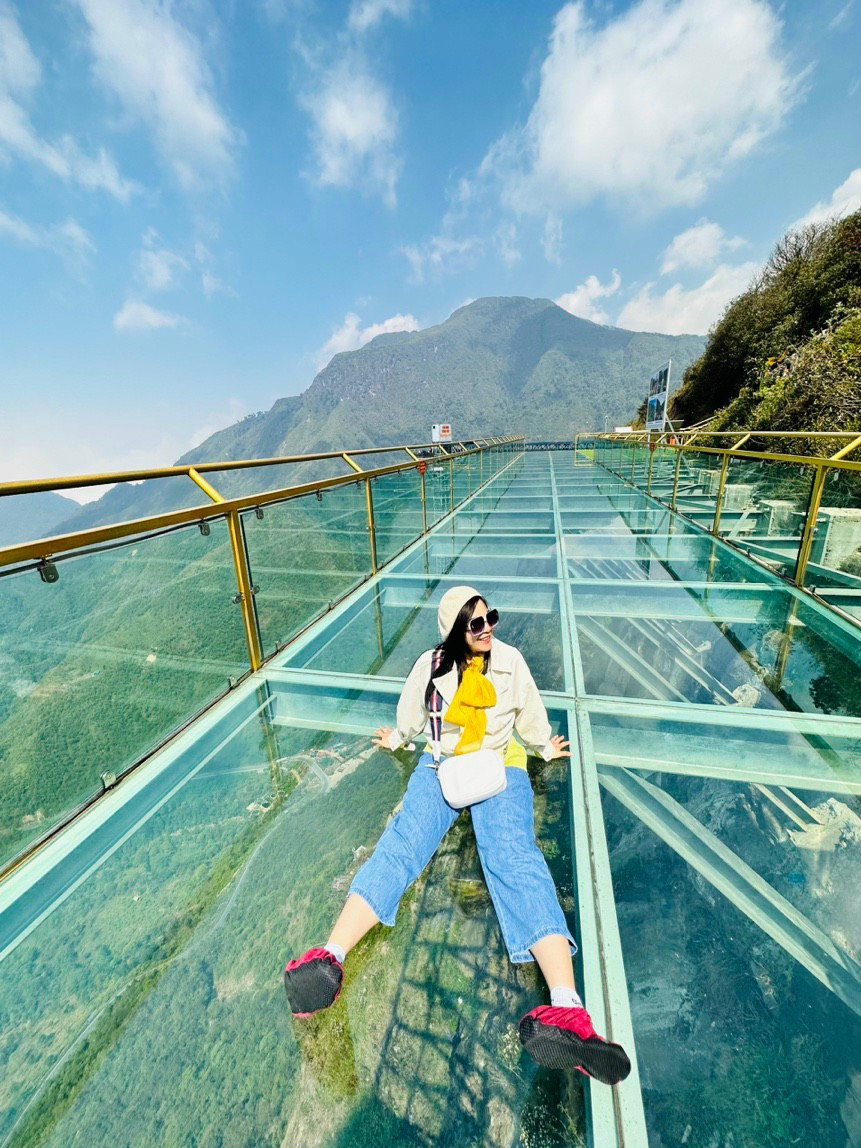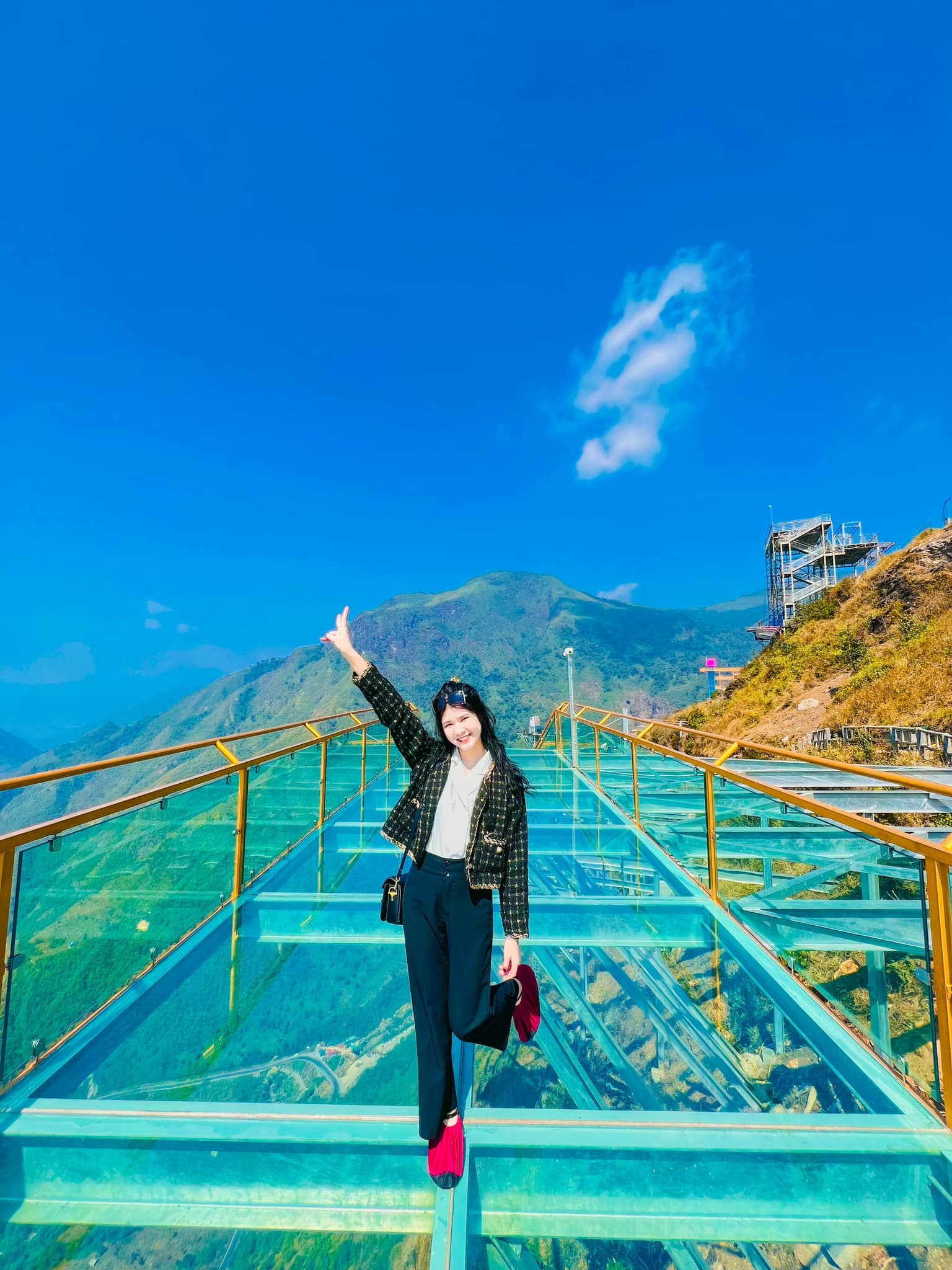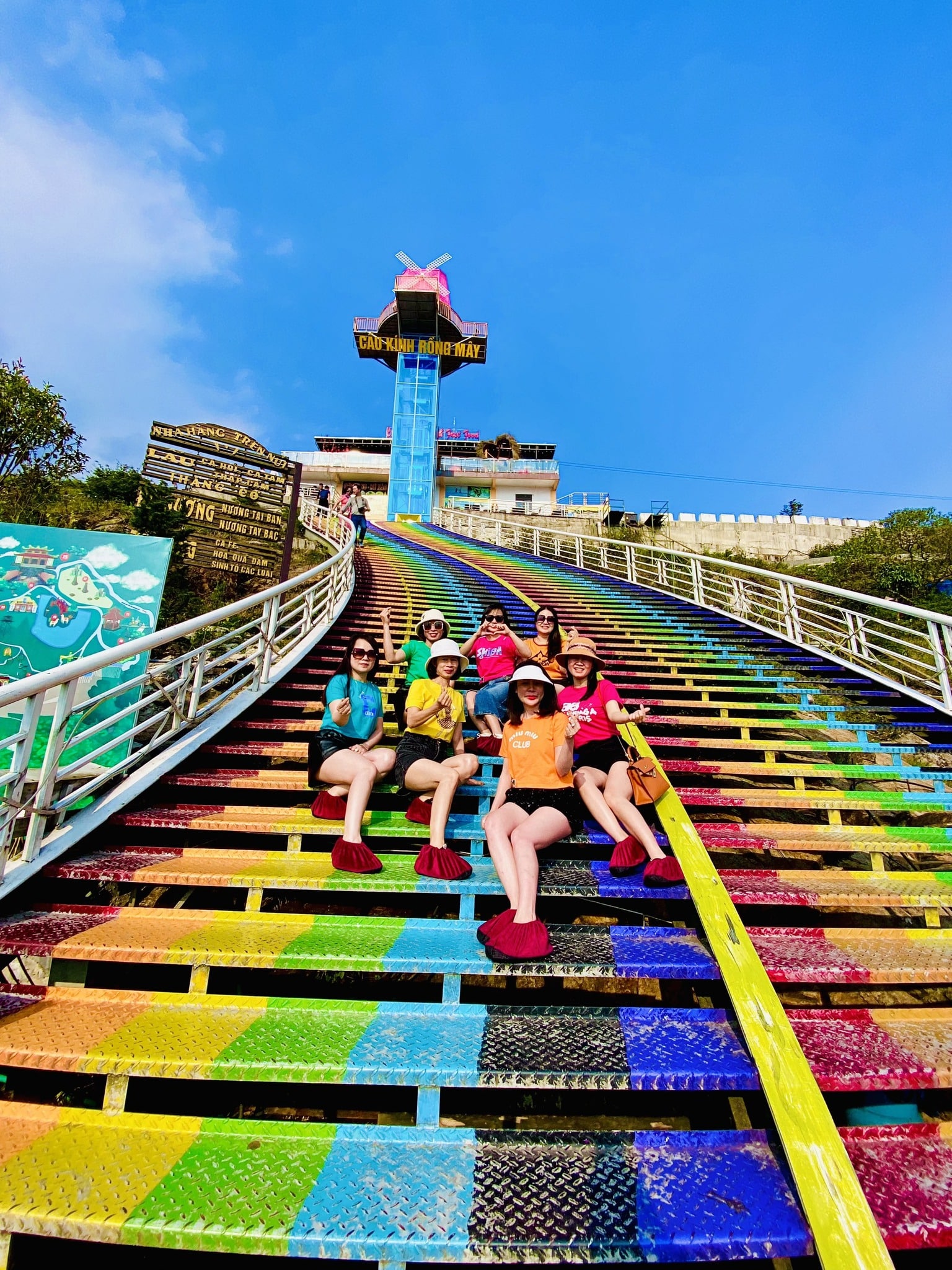
Rong May Glass Bridge
Rong May Glass Bridge Ticket
- QR Code Ticket
- Instant Ticket Delivery
- Free Cancellation
How to Book Rong May Glass Bridge Tickets
- Receive your QR Code e-ticket instantly in just 5 simple steps
Visitors select the Rong May Glass Bridge elevator ticket, choose the number of tickets and the visiting date, then click “Book Now.”
Visitors accurately enter the required information for payment and ticket delivery, including Full Name, Email Address, and Phone Number.
Visitors choose a suitable payment method such as International Card, Domestic Card, or Bank Transfer.
The system automatically confirms the successful payment and sends a confirmation email immediately after payment is completed.
Once payment is confirmed, the QR Code e-ticket is automatically generated and sent to the visitor’s email instantly.
Operating Hours
Monday – Sunday: 7:00 AM – 5:30 PM
Introduction to Rong May Glass Bridge Tourist Area
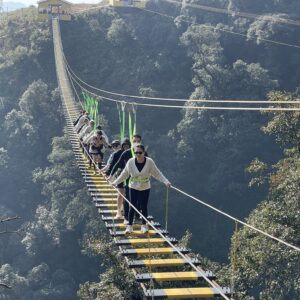
Rong May Glass Bridge (also widely known as Sa Pa Glass Bridge) is one of the most impressive adventure sightseeing attractions in Vietnam’s Northwest region. The structure is located within the Rong May Glass Bridge Tourist Area, invested and developed by Hoang Lien Son Group Joint Stock Company, situated in Binh Son Commune, Tam Duong District, Lai Chau Province, approximately 20 km from Sa Pa town center along National Highway 4D – O Quy Ho Pass.
Construction began in 2017, and the attraction officially opened to visitors in June 2019. With a total investment of up to VND 200 billion, Rong May Glass Bridge has a maximum operating capacity of approximately 1,200 visitors per hour. Its most distinctive highlight is the glass elevator system penetrating the mountainside, reaching a height of 305 meters—equivalent to a 102-storey building. Of this, 80 meters run inside the mountain, while 225 meters are exposed, delivering a spectacular and thrilling experience from the very first moments.
The glass bridge is built at an altitude of 2,333 meters above sea level and 548.5 meters above the Hoang Lien Son mountain gorge, creating a rare sense of conquering extreme heights. The bridge deck is constructed from three layers of tempered glass, each 2 cm thick, bonded with specialized adhesive, resulting in a total thickness of 7 cm. The structure has undergone strict safety inspections and certifications.
The main walking section of the bridge is approximately 5 meters wide and 50 meters long, extending from the elevator exit to the sheer cliff face. In addition, the cliff-hugging sightseeing pathway system reaches a total length of up to 300 meters. Although the structure is designed to withstand a load of up to 3,000 people at the same time, to ensure absolute safety, the management limits the number of visitors to a maximum of 500 people simultaneously.
Standing on Rong May Glass Bridge, visitors can clearly feel a mix of excitement and exhilaration as they gaze down into the deep abyss below and look out over the vast, majestic Hoang Lien Son mountain range, where mountain winds blow freely and clouds drift year-round. This is a powerful visual and emotional experience, characteristic of the region known as the “Four Great Mountain Passes.” It is also why Rong May Glass Bridge is considered not for the faint-hearted, yet irresistibly attractive to travelers who love exploration and conquering nature.
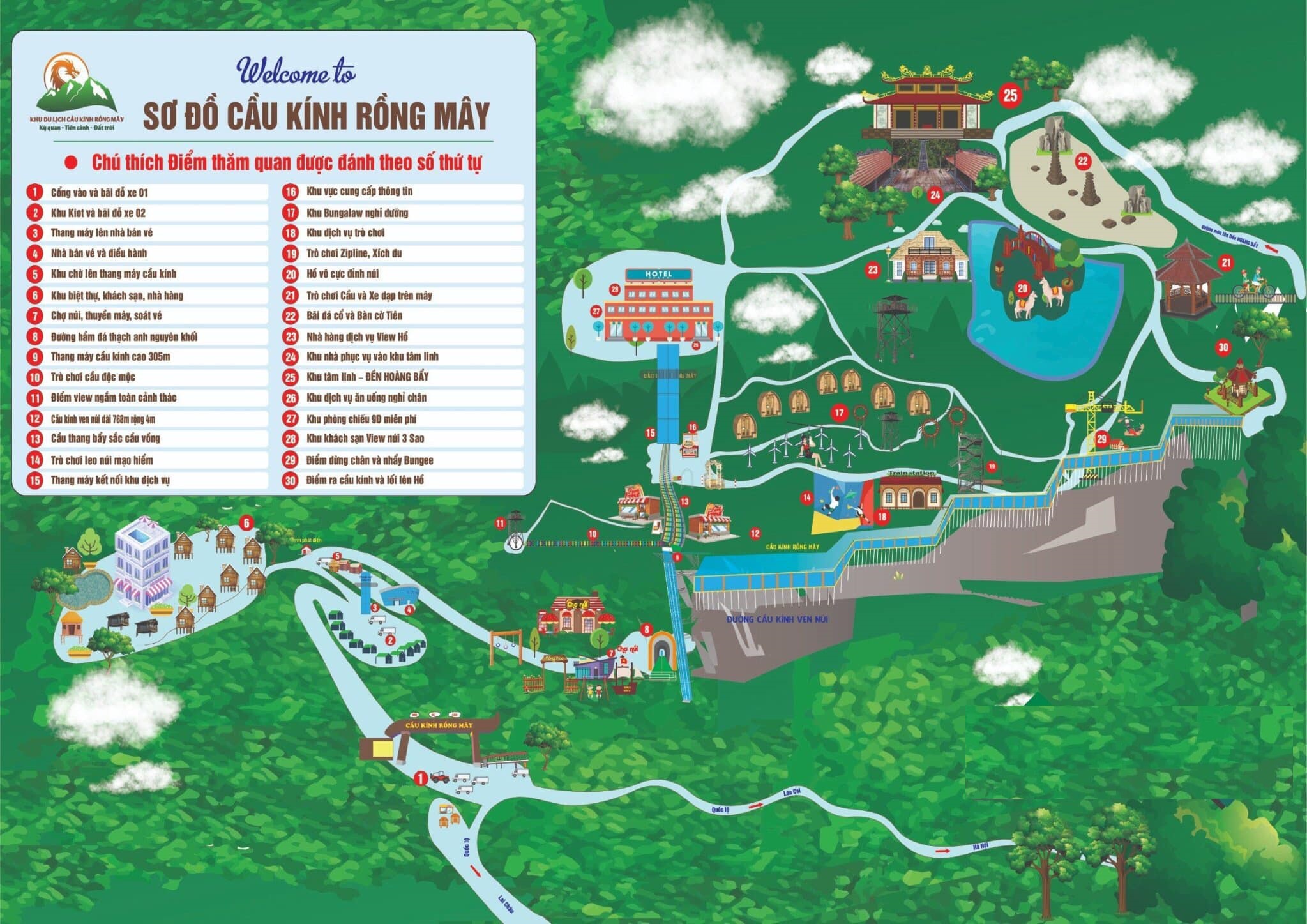
Rong May Glass Bridge Tourist Area Map
Frequently Asked Questions (FAQs)
Where is Rong May Glass Bridge located? Is it part of Sa Pa?
Rong May Glass Bridge is located in the O Quy Ho Pass area (also known as Heaven’s Gate), one of Vietnam’s renowned “Four Great Mountain Passes.” This area falls under the administrative jurisdiction of Tam Duong District, Lai Chau Province, bordering Sa Pa Town (Lao Cai Province).
From an administrative perspective, Rong May Glass Bridge does not belong to Sa Pa. However, in terms of tourism and transportation, it is widely considered part of the extended Sa Pa sightseeing route, as it is only about 15–18 km from Sa Pa town center and is very convenient for a day trip. Therefore, most visitors traveling to Sa Pa easily include Rong May Glass Bridge as a must-visit attraction along the O Quy Ho Pass route.
What makes Rong May Glass Bridge different from other glass bridges in Vietnam?
Rong May Glass Bridge stands out from many other glass bridges in Vietnam thanks to its unique mountainous location and distinctive visual experience. Instead of spanning across a valley, the bridge extends outward from the cliff face of O Quy Ho Pass, creating the sensation of stepping into mid-air, with a direct view down into the deep abyss and the sea of clouds below.
A key distinguishing feature of Rong May Glass Bridge is its altitude and open panoramic setting. Located at a significantly high elevation above sea level, visitors can easily walk among the clouds, admire the majestic Hoang Lien Son mountain range, and witness landscapes that change dramatically throughout the day. This experience delivers a strong sense of emotion and natural exploration, setting it apart from glass bridges that focus mainly on scale or length.
In addition, the mountain-penetrating glass elevator system, which transports visitors from the reception area to the elevated sightseeing point, is a remarkable highlight. It ensures a seamless, safe, and convenient journey, enhancing the overall visitor experience. Overall, Rong May Glass Bridge is particularly suitable for travelers who enjoy a moderate level of thrill, combined with mountain and cloud scenery check-in, rather than experiences that focus purely on record-breaking dimensions.
How high is Rong May Glass Bridge?
Rong May Glass Bridge is located at an altitude of over 2,000 meters above sea level, within the O Quy Ho Pass area—one of the highest and most majestic mountain passes in Vietnam’s Northwest region.
In terms of the experiential height, the glass bridge extends outward from the cliff face, with a vertical drop of several hundred meters to the valley below. This design creates the sensation of standing in mid-air, offering a direct downward view into the deep gorge beneath. It is precisely this combination of natural elevation and the cantilevered glass bridge design that delivers a striking and memorable experience, setting Rong May Glass Bridge apart from many other glass bridge attractions in Vietnam.
How long is Rong May Glass Bridge?
The main glass bridge walkway at Rong May Glass Bridge is approximately 60 meters long, with a width of about 5 meters, extending from the glass elevator exit to the cliff face where the structure is anchored. This is the primary section where visitors walk and experience the sensation of “floating in mid-air.”
In addition, the overall structure of the glass bridge complex includes multiple cliff-hugging walkways. When all surrounding corridors within the sightseeing area are taken into account, the total connected walking length can reach up to approximately 900 meters.
Is visiting Rong May Glass Bridge safe?
Visiting Rong May Glass Bridge is considered safe for visitors, provided that all regulations and safety guidelines of the tourist area are strictly followed. The glass bridge is constructed with multiple layers of tempered glass, designed to withstand high load capacity and meet safety standards for elevated sightseeing structures.
Before being put into operation, the glass bridge system, elevators, and surrounding sightseeing areas undergo regular technical inspections and monitoring. The number of visitors allowed on the bridge is controlled by each entry cycle, ensuring load safety and minimizing potential risks. In addition, visitors are continuously supported by on-site staff who provide guidance and supervision throughout the visit.
In practice, there have been no recorded serious incidents related to structural safety at Rong May Glass Bridge. The “heart-pounding” sensation that many visitors experience mainly comes from the height and the visual effect of the transparent glass floor, rather than from any actual danger. For visitors in normal health, without severe cardiovascular conditions or an extreme fear of heights, this experience can be enjoyed with complete peace of mind.
Can children and elderly visitors visit Rong May Glass Bridge?
Both children and elderly visitors can visit Rong May Glass Bridge, provided they are in suitable health condition and comply with the safety regulations of the tourist area.
For children:
Children may participate if they are in good health and are accompanied by an adult. Children who are overly active or have a fear of heights should be closely supervised by their guardians throughout the experience.For elderly visitors:
Elderly visitors with stable health conditions, who do not suffer from serious cardiovascular diseases, uncontrolled high blood pressure, or severe fear of heights, can safely take part. The glass elevator system significantly reduces the need for climbing and physical exertion, making the experience less physically demanding compared to many outdoor attractions.
Overall, Rong May Glass Bridge is suitable for a wide range of visitors. However, families traveling with young children or elderly members are advised to assess individual health conditions, choose less crowded time slots, and follow staff instructions to ensure a safe and comfortable experience.
How much is the ticket price for Rong May Glass Bridge?
The current ticket prices for Rong May Glass Bridge are updated based on various reputable tourism sources and are typically listed as follows (prices may vary depending on peak seasons or the tourist area’s policies):
Rong May Glass Bridge Admission Tickets (for reference):
Adults (height from 1.4 m and above): VND 500,000 per ticket
(Includes glass elevator access and glass bridge experience).Children (height from 1.0 m to under 1.4 m): VND 300,000 per ticket.
Children under approximately 1.0 m: Free admission
(May be required to be accompanied by an adult).
In addition to the glass bridge and elevator ticket, the tourist area also offers separate experience tickets for other activities (such as Zipline, Swing, Wooden Suspension Bridge, etc.), with prices typically around VND 150,000 per ride.
What is included in the Rong May Glass Bridge ticket?
The Rong May Glass Bridge admission ticket generally includes the main experience items within the tourist area, ensuring a convenient and complete sightseeing experience for visitors.
Specifically, the Rong May Glass Bridge ticket includes:
Glass elevator access, transporting visitors from the reception area to the elevated sightseeing zone.
Walking experience on the glass bridge extending out from the cliff face, allowing visitors to admire the valley below and the sea of clouds at high altitude.
Access to designated check-in areas and scenic walkways within the glass bridge complex, as covered by the standard admission ticket.
Not included in the ticket:
Separate adventure activities (such as zipline, swing, wooden suspension bridge, etc.), if these services are operating at the tourist area.
Food and beverage expenses, photography services, and personal shopping within the sightseeing area.
Visitors are advised that ticket inclusions may vary depending on the time of visit or operational policies. Therefore, it is recommended to check the most up-to-date information at the ticket counter or on the official website prior to visiting, in order to fully understand the applicable benefits and services.
Should I buy tickets in advance or purchase them on-site?
Visitors may purchase Rong May Glass Bridge tickets either on-site or online in advance, with each option offering its own advantages:
On-site ticket purchase:
Visitors can buy tickets directly at the Rong May Glass Bridge ticket counter upon arrival. This option is suitable for travelers with flexible schedules who are not overly concerned about ticket availability during peak seasons or weekends.Online advance booking:
Booking tickets in advance via a website or travel booking platform allows visitors to:Secure tickets for the desired date, especially during holidays, weekends, or peak cloud-viewing seasons when visitor numbers are high.
Save time by avoiding queues at the ticket counter, reducing waiting time upon arrival.
Occasional discounts or combo offers may be available for early bookings.
Recommendation:
If you plan to visit during peak periods (weekends, public holidays, Lunar New Year, or the peak season from September to December), or if you are following a fixed itinerary, it is advisable to book tickets in advance to avoid sold-out situations, long waiting times, or last-minute changes to your schedule.
If your itinerary is flexible and you do not mind waiting, purchasing tickets on-site can also be a simple and convenient option.
What time does Rong May Glass Bridge open?
Rong May Glass Bridge Tourist Area is open to visitors daily, with commonly updated operating hours as follows:
Opening time: approximately 7:00 – 7:30 AM
Closing time: approximately 5:30 – 6:00 PM
Applicable days: All days of the week, including weekends, public holidays, and Lunar New Year.
Visitors are generally recommended to arrive early in the morning to enjoy the fresh mountain air, admire the Northwestern mountain scenery at sunrise, and avoid peak crowds around midday.
Note:
Operating hours may vary depending on the season, management policies, or adverse weather conditions. Visitors are advised to check the latest information directly at the ticket counter or via the official website/phone contact of the tourist area before their visit.
When is the best time to visit Rong May Glass Bridge?
The ideal time to visit Rong May Glass Bridge is generally from September to April of the following year, when weather conditions in the Sa Pa – O Quy Ho Pass area are relatively stable, with less rainfall and better visibility.
Early morning (approximately 7:00 – 9:00 AM):
This is the most popular time slot due to the high chance of cloud viewing, soft natural light, cool and fresh air, and fewer crowds. The combination of mountain scenery and sea of clouds in the early morning offers a truly impressive experience.Late afternoon (after 3:30 PM):
Suitable for visitors who wish to capture angled sunlight and sunset views. However, the likelihood of clouds is usually lower than in the morning, and weather conditions may change more quickly.
By season:
Autumn (September – November):
Cool weather, clear skies, and beautiful mountain landscapes. This period is widely regarded as the best season to visit.Winter (December – February):
Can be very cold with frequent fog, but creates a mystical cloud-and-mountain atmosphere, ideal for visitors seeking a distinctive Northwestern experience.Rainy season (May – August):
Generally not the ideal time due to heavy rainfall, dense fog, limited visibility, and the possibility of temporary suspension of operations for safety reasons.
In summary, for the most complete and visually stunning experience, visitors are advised to visit early in the morning during autumn or early winter, and to check the weather forecast in advance before their trip.
Is it easier to see clouds in the morning or in the afternoon?
When visiting Rong May Glass Bridge, early morning is widely considered the best time for cloud viewing.
Specifically, during the time window of approximately 7:00 – 9:00 AM, temperatures are still low, humidity is high, and clouds tend to gather in the valleys below O Quy Ho Pass, forming a dense and stable sea of clouds. Morning light is also softer, making it ideal for sightseeing and photography.
In contrast, during the afternoon, as temperatures rise, clouds often dissipate or lift to higher altitudes, significantly reducing the likelihood of cloud viewing. However, the afternoon can be suitable for visitors who wish to admire mountain scenery in angled sunlight or capture sunset views, even though the cloud effect is usually less pronounced than in the morning.
In summary, if your main goal is cloud viewing and photographing the sea of clouds, it is highly recommended to visit Rong May Glass Bridge early in the morning for the most impressive experience.
Traveler Reviews
Visitor Experience Photos